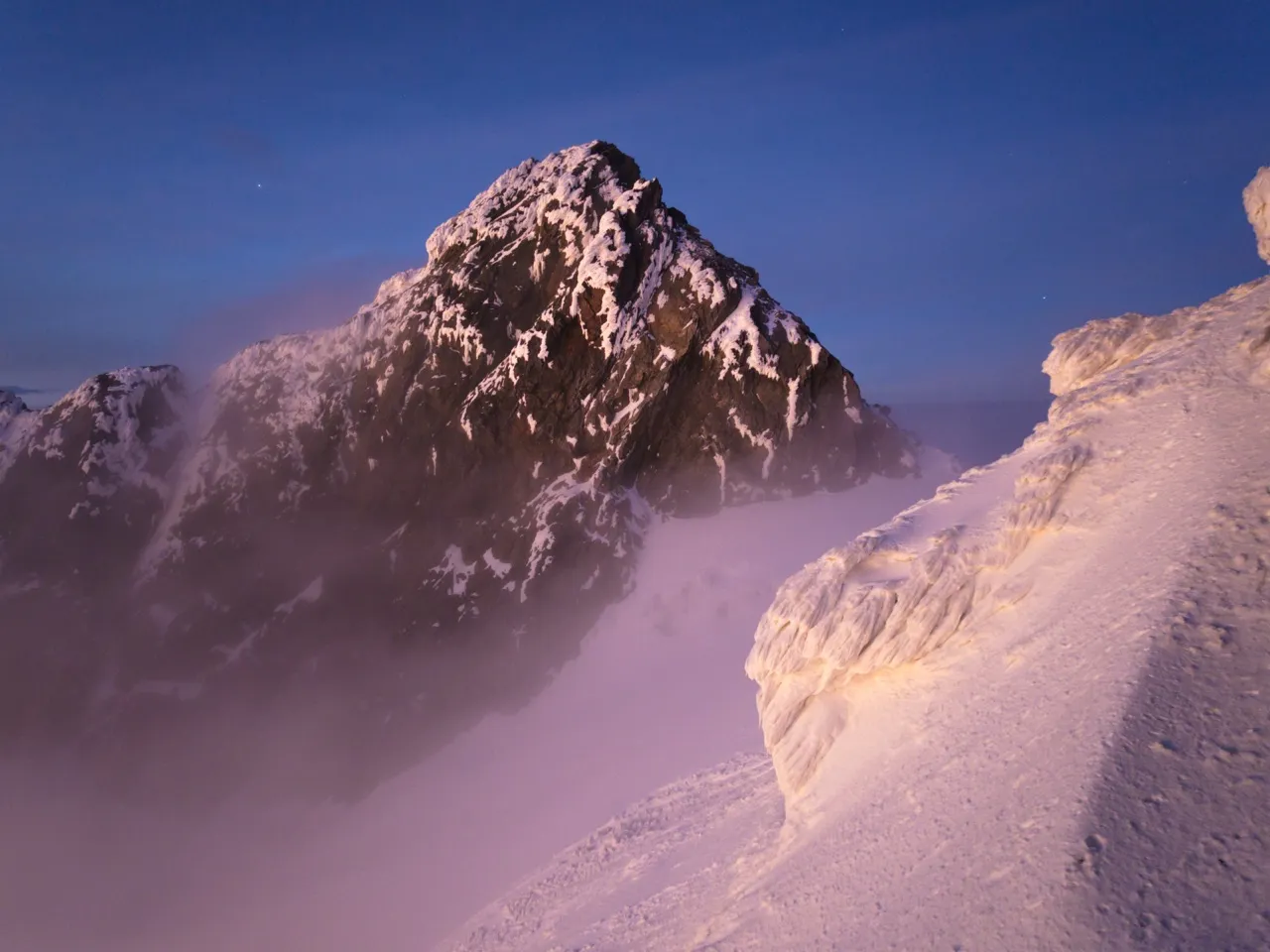
Rwenzori Mountains
Trek to Margherita Peak (5,109m), Africa's third-highest peak and a vanishing glacier, via Kilembe or the Central Circuit — fees, operators, best months.
Photo: Rafał Kozubek, CC BY-SA 4.0, Wikimedia Commons
Why go
The Rwenzori Mountains are the reason Ptolemy’s “Mountains of the Moon” ended up on maps of Africa two thousand years before anyone outside the Bakonzo and Bamba communities confirmed there were glaciers sitting almost on the equator. There still are, for now. Margherita Peak, the highest point on Mount Stanley, tops out at 5,109 metres and is Africa’s third-highest summit after Kilimanjaro and Mount Kenya — but unlike those two volcanic massifs, the Rwenzori is a block of ancient crystalline rock thrust up along the Albertine Rift, permanently snow-capped, still carrying the last remnants of Africa’s tropical glaciers. Climate studies tracking the ice fields here have watched them shrink for decades; trekking companies and researchers alike now talk about them in terms of years remaining, not centuries. That gives a Rwenzori trek a different weight than most bucket-list peaks: you’re not just climbing something old, you’re seeing something that’s disappearing.
UNESCO inscribed Rwenzori Mountains National Park as a World Heritage Site in 1994, citing an unbroken vertical sequence of five ecological zones — from tropical rainforest around 1,450m through bamboo, heather-and-giant-lobelia moorland, and alpine zones, up to permanent glacial ice — a transect found nowhere else in Africa with this completeness. That same listing spent 1999–2004 on the List of World Heritage in Danger, a period when insecurity from cross-border militia activity made the park effectively unmanageable; it came off the danger list once security and park management stabilized, and treks have run without major incident since. Worth knowing if you’re weighing this against safer-sounding alternatives: the danger listing is history, not a current travel-advisory issue.
What you’re actually walking through is as strange as the geology. Below the snowline the park holds among the richest montane flora in Africa — groundsels and giant lobelias that look like props from a different planet, moss-draped “elephant grass” tunnels, bogs that swallow a boot to the knee if you step wrong. Forest elephants and chimpanzees range the lower slopes (you’re more likely to hear them than see them), the endemic Rwenzori turaco flashes crimson through the canopy, and the Rwenzori three-horned chameleon and Rwenzori duiker exist nowhere else on Earth. Above the moorland, the terrain turns properly alpine: scree, permanent snowfields, and on summit day, roped glacier travel across what’s left of the Stanley and Speke glaciers.
Compare that to Kilimanjaro or Mount Kenya and the honest pitch for Rwenzori is: harder, wetter, far less crowded, and more technical on summit day — fixed ropes, exposed rock, and genuine glacier travel rather than a long high-altitude walk. It rewards trekkers who want a mountaineering objective, not just a long hike with a view.
Getting there
Kasese, in western Uganda near the Democratic Republic of Congo border, is the gateway town for both Rwenzori trailheads and the usual first stop. By road it’s roughly 370km from Kampala, which in practice runs 6–8 hours depending on traffic through Mubende and Fort Portal and the condition of the final stretch into Kasese district — build in a full day, or break the drive with a night in Fort Portal. Aerolink Uganda flies between Entebbe and Kasese airstrip several times a week, cutting that to about an hour if the schedule lines up with your itinerary; it’s worth it if you’re short on days, though small aircraft have tight baggage allowances and full mountain kit can be a squeeze.
From Kasese, the two trailheads sit on opposite sides of the range and belong to two different, non-competing concessionaires. Nyakalengija, about 22km (45–75 minutes, partly gravel) from Kasese, is the start of the Central Circuit Trail and the exclusive concession of Rwenzori Mountaineering Services (RMS) — their booking office sits right at the trailhead, and this is also where the Central Circuit’s Nyabitaba, John Matte, Bujuku, and Elena huts lead up toward Margherita from the Mubuku and Bujuku valleys. Kilembe, about 14km (roughly 25 minutes) from Kasese, is the start of the Kilembe Trail (also called the Southern Circuit) and the concession of Rwenzori Trekking Services (RTS), climbing through Kalalama, Mutinda, and Bugata camps to Margherita Camp and the same summit glacier from the other side.
You can’t simply show up and start walking: UWA park fees are bundled into RMS’s and RTS’s trek packages rather than sold separately, and both companies handle guides, porters, permits, and hut bookings as part of the price — so the practical move is to book directly with whichever concessionaire matches your chosen route before you arrive, confirm your start date, and arrive in Kasese the day before to sort out any gear rental (crampons, sleeping bags) and a final kit check.
When to go
Trek the Rwenzori in one of two dry windows: December–February, or June–August. Rainfall data for the range shows July and August as the driest stretch, sometimes with almost no rain at all, which is also when trekker numbers peak — book your permit and porters well ahead if you’re aiming for those months. December through February runs nearly as dry with noticeably fewer people on the trail, a good trade if solitude matters more to you than trekking in company. The shoulder seasons, roughly March–May and September–November, bring the heaviest rain: bogs get deeper, river crossings get trickier, and the rock on the final approach to Margherita gets slick enough that some operators quietly discourage summit attempts.
Even inside the dry windows, treat any single day’s forecast as unreliable once you’re above the forest zone — afternoon cloud and brief rain showers are normal even in August, and temperatures swing from tropical-warm in the lowland forest to well below freezing at the glacier camps overnight. Pack for both extremes regardless of which month you go, and build a spare day into your itinerary near the top: guides will delay a summit push rather than take a group onto the glacier and ropes in poor visibility, and that’s the right call.
Where to stay
- Ruboni Community Camp
Community-owned camp right at the Nyakalengija park gate, a short walk from the Central Circuit trailhead
- Mbunga Community Tourism Campsite
Basic community-run campsite in Kilembe, at the start of the Kilembe Trail
- Rwenzori International Hotel
3-star base in Kasese town, minutes from the airstrip, for the night before or after a trek
Tours
- Rwenzori Mountaineering Services — Central Circuit
Sole concessionaire on the Central Circuit Trail; 7-day Margherita Peak package departing Nyakalengija
- Rwenzori Trekking Services — Kilembe Trail
Concession holder on the Kilembe Trail; 8-day Margherita Peak trek departing Kilembe
- SafariBookings — Rwenzori climbing tours
Compare itineraries and reviews across 20+ vetted operators
The numbers
| What you pay | Cost |
|---|---|
| UWA park entrance fee, per day UWA Conservation Tariff, Category B park (July 2024–June 2026 cycle, still current as of Aug 2026). RMS's and RTS's own package pages both cite this specific $35/day line as the fee bundled into their per-person prices below | $35 FNR / $25 FR / UGX 15,000 EAC |
| UWA "Rwenzori Mountain Hike" activity fee, per day A separate line in the same UWA tariff; neither operator's package page cites it, and the tariff document itself is inconsistent about whether it includes entrance — listed here as published, not as an add-on to the fee above | $50 FNR / $40 FR / UGX 50,000 EAC |
| 7-day Central Circuit trek to Margherita Peak Rwenzori Mountaineering Services 2026 rate; includes park fees, guides, porters, meals, hut accommodation | $1,365 per person |
| 8-day Kilembe Trail trek to Margherita Peak Rwenzori Trekking Services 2026 rate: $1,450 hiking fee + 7 nights x $35 park entrance, per their own listing | $1,695 per person |
| Crampon rental (for the glacier/summit day) Rwenzori Trekking Services; sleeping bags also rentable — you supply boots and warm layers | $20 per trip |
Common questions
How many days does it actually take to reach Margherita Peak?
Budget 6–9 days depending on the route and operator. Rwenzori Mountaineering Services runs a 7-day Central Circuit itinerary with a summit day built in (a 6-day version skips the summit), and a fuller 9-day trip. Rwenzori Trekking Services' Kilembe Trail package is 8 days end to end. Add a buffer day either side for bad weather — summit day above Elena or Margherita Camp involves glacier travel and fixed ropes, and guides will hold you back a day rather than push through a whiteout.
Kilembe Trail or Central Circuit — which should I choose?
They're run by two different, non-competing concessionaires, so the choice is really about which side of the mountain you want to see. The Central Circuit (Rwenzori Mountaineering Services, from Nyakalengija) is the older, more established route through the Mubuku and Bujuku valleys, with huts at Nyabitaba, John Matte, Bujuku, and Elena. The Kilembe Trail (Rwenzori Trekking Services, from Kilembe) approaches from the south through Kalalama, Mutinda, and Bugata camps and is generally quieter. Both top out at Margherita via the same glacier and rope sections near the summit.
Do I need a permit, and what does it cost?
Yes, but you won't book it yourself. Uganda Wildlife Authority's tariff lists two Rwenzori-relevant lines — a $35/day park entrance fee and a separate $50/day 'Rwenzori Mountain Hike' activity fee. Rwenzori Mountaineering Services and Rwenzori Trekking Services each hold the UWA concession for their own trail and handle the paperwork; both operators' own package pages specifically cite the $35/day entrance line as what's folded into your per-person trek price, alongside guides, porters, meals, and hut accommodation.
When is the best time to trek?
The two dry windows are December–February and June–August. July and August see the most trekkers and the most settled weather; December–February is nearly as dry with far fewer people on the trail. The shoulder seasons (March–May, September–November) bring heavier rain, muddier bog crossings, and slicker rock on the summit approach — some operators discourage summit attempts in the wettest weeks.
Is Rwenzori harder than climbing Kilimanjaro?
Most guides and past trekkers rate it as more technically demanding, even though it's lower and shorter. Kilimanjaro is a long walk at altitude; the Rwenzori summit day involves glacier travel, fixed ropes, exposed rock scrambling, and route-finding in cloud or snow, on top of the altitude. It's a mountaineering objective more than a trek, which is part of why the crowds are a fraction of Kilimanjaro's.
Seen on TikTok & YouTube
Real clips from travelers on the ground, verified before they're linked below.